
The First Burn: Why the First Light Decides Everything
A candle remembers its first hour. A note on melt pools, memory, and the single rule that determines how a candle burns for the rest of its life.
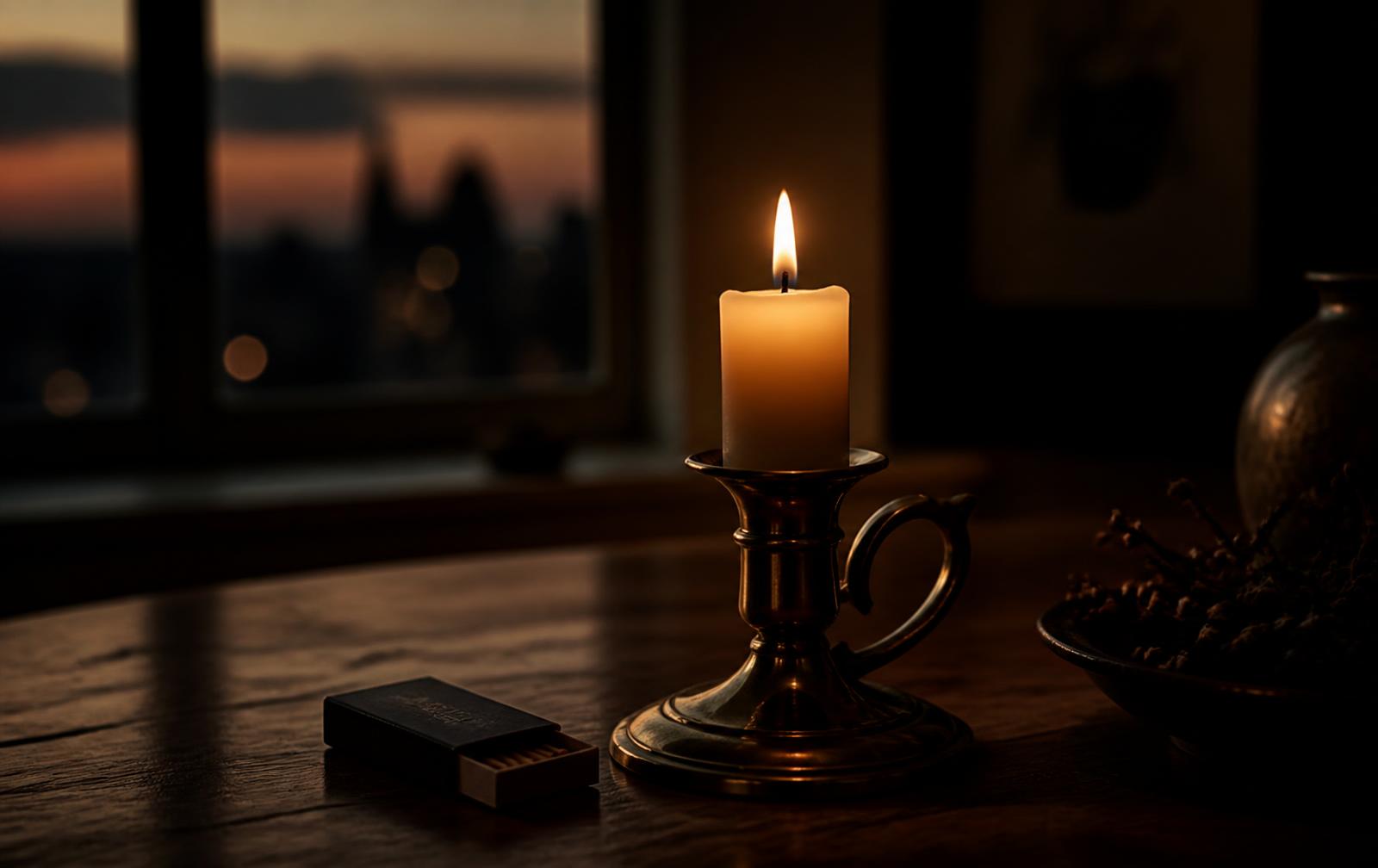
There is a moment, somewhere between the first and second hour of a new candle, when the wax decides what it is going to be.
Soy wax has a memory. This is not a metaphor. The first time the wax melts, it forms a pool around the wick, and the edge of that pool becomes a kind of shoreline. Every subsequent burn will tend to follow that shoreline. If the pool reaches the wall of the vessel on the first light, the candle will burn clean to the edges for the rest of its life. If it does not, the wax will tunnel, and no amount of patience later will fully undo it.
This is the one rule we give to every customer, and the one we repeat most often: let the first burn last long enough for the wax to melt all the way across.
How long that takes depends on the vessel. A narrow julep cup might need an hour. A wide-footed bowl can take three. The honest measure is not the clock but the surface. When the entire top is liquid, edge to edge, the candle has been introduced to itself. Blow it out then, or let it run, but do not blow it out before.
The mistake people make is lighting a candle for twenty minutes over dinner and blowing it out. Twenty minutes is enough to soften the wax and not enough to reach the wall. The next time they light it, the pool will be slightly smaller than the first. The time after that, smaller still. Within a week the wick is burning in a column of air surrounded by a ring of untouched wax, and the candle is effectively over before it is half gone.
A candle that tunneled can sometimes be rescued. We wrap the vessel in foil, leaving a small opening at the top, and burn it long enough to push the pool back to the edges. It works more often than it should. But it is easier by far to burn it right the first time.
There is a second, quieter reason the first burn matters. Soy wax continues to settle after it looks solid, and the first long burn is when the grain of the wax finally sets against the wick and the vessel wall. A candle that has been introduced slowly will burn level, with a clean, even melt pool, all the way to the bottom. A candle that was rushed will burn unevenly, and the wick will lean, and the flame will smoke.
We cure every candle for a week before it leaves the workshop so that the wax is stable when it reaches you. The first burn is yours. Give it the time it asks for. An hour, two, three, whatever the vessel demands. Light it when you can stay, and stay until the surface is liquid. Everything after that is gratitude.