
The Seasonal Cellar: Scents That Wait for the Cold
Some fragrances belong to a specific temperature. A note on the scents we hold back until the air turns.
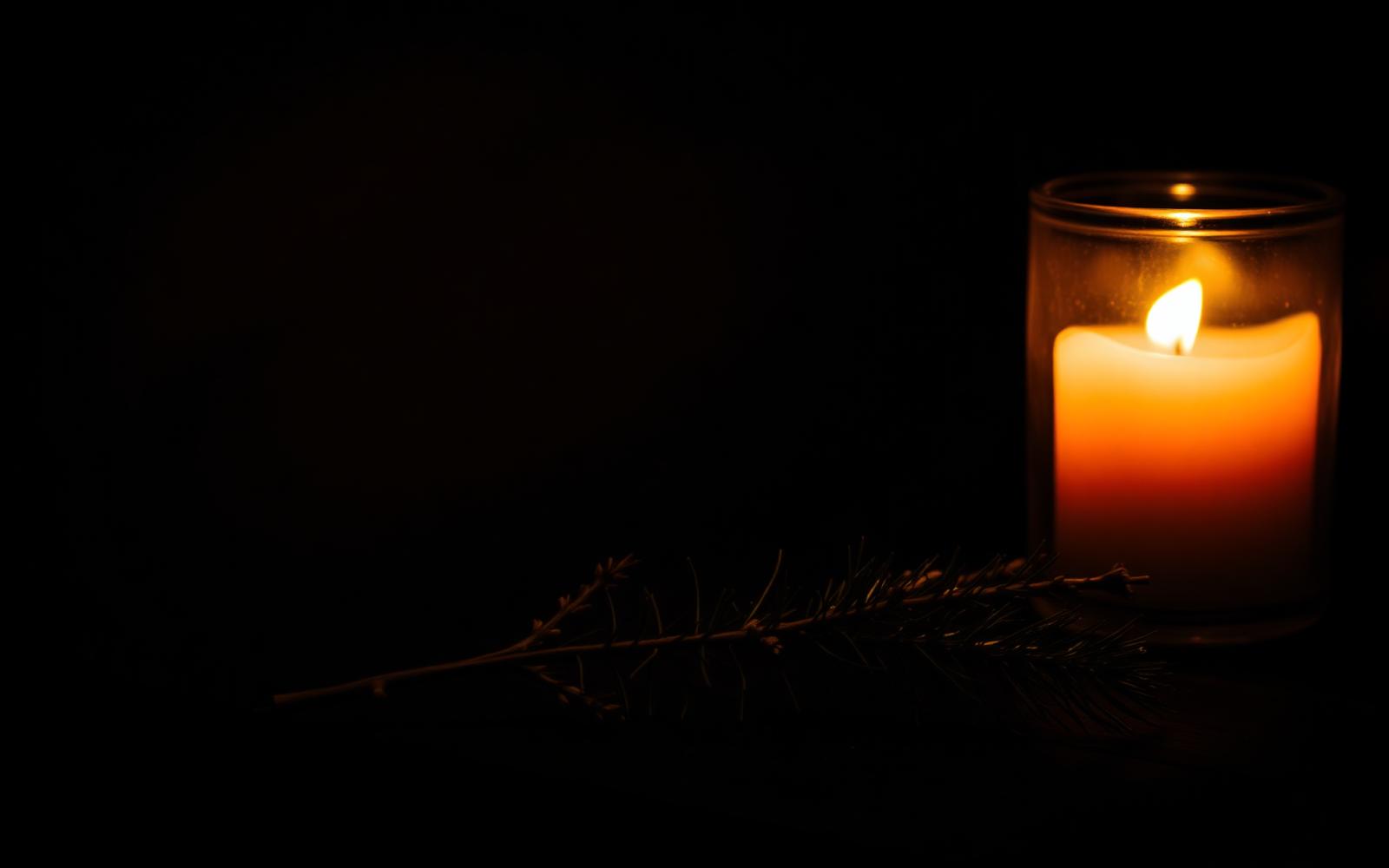
There are scents we pour year round, and then there are scents that wait. We do not release them in July because they would be wasted. A fragrance designed for a cold room is a different animal from one meant for an open window, and pretending otherwise is how you end up with a Christmas candle burning on a porch in August.
Cold air is thinner and slower. It holds fragrance closer to the vessel and releases it in layers, which means a scent that reads as subtle at 70 degrees can fill an entire room at 40. This is why winter scents tend to be heavier on the base. Resins, smoke, spice. They need the cold to open up. In warm air the same compositions turn muddy.
Christmas Hearth is the obvious one. Balsam, cedar, a trace of woodsmoke and clove. It is the scent of a room where the fire has been going for an hour and the windows have fogged. We pour it into deeper vessels because it wants to sit and linger, not throw.
Juniper and Cypress is the winter that is not Christmas. Sharp, green, a little cold itself. It reads like walking outside after the first real freeze, when the evergreens have gone brittle and the air smells clean in a way it never does in summer. We pair it with silver and glass, never brass, because brass warms it up too much.
Pharaoh's Gold is the anomaly. Amber, frankincense, a deep resinous sweetness that has no season in particular but belongs to winter because it is indulgent. It is a scent for a long evening, a single candle on a side table, the room low and gold. Pour it in cut crystal and let the flame do the work.
Winter Sage is the quietest of the seasonal set. Dried sage, a whisper of pine, something herbal rather than sweet. It is the scent of a kitchen in January when the holiday decorations are down and the house has gone still again. We like it in porcelain, something that does not compete.
Rafferty Reserve is the one we hold the longest. Tobacco leaf, aged leather, a dark vanilla that reads as a study or a library rather than a living room. It is a scent for the deep part of winter, January into February, when the nights are longest and the idea of a single candle on a desk starts to feel like the point of the whole season.
We retire the seasonal scents when the weather turns. Not because they go bad, but because a fragrance poured at the wrong time of year is a wasted introduction. The vessel will still be beautiful in April. The scent will not. Wait for the cold.