
The Second Life of a Candle Vessel
The candle is a phase, not the point. What to do with the vessel once the last of the wax is gone.
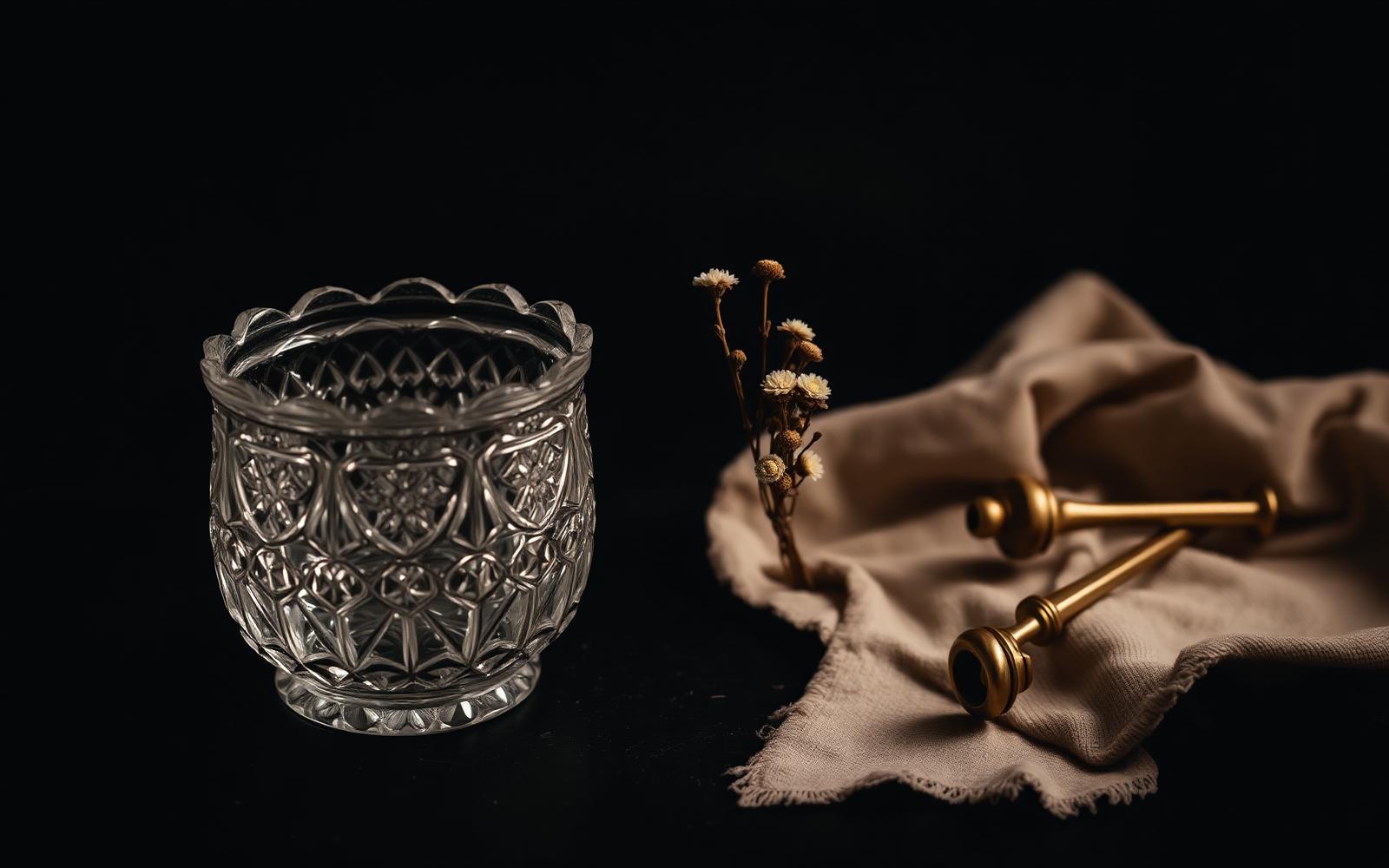
We should be honest about something. The candle is the shorter half of the arrangement. Forty or fifty hours of burn, and then the wax is spent and you are left holding the thing we actually went looking for at an estate sale in the first place.
That is the design. A vessel that has been in the world for eighty years is not finished because a wick ran out.
Getting the last of the wax out is simple. Once the flame will no longer hold, stop burning it. Set the vessel in a shallow bath of warm, not hot, water for ten minutes, and the remaining soy will loosen and lift as a single disc. Wipe the interior with a soft cloth and a little dish soap, dry it thoroughly, and pull the metal wick tab free. Never put an antique vessel in a freezer to crack the wax out, and never in a dishwasher. Thermal shock is how crystal learns to split, and heat is how plated silver learns to flake.
Then give it a job. A julep cup makes an excellent holder for pens, or for a single stem of something clipped from the yard. Cut-glass tumblers keep cotton rounds beside a sink better than anything sold for that purpose. Small footed bowls take rings and cufflinks at the end of the day. Wider pieces make good match strikers if you keep a strip of paper along one side.
Or send it back to us. If a vessel came from our archive, we will refill it with any scent in the current library at the wax rate alone, which is $2.00 per ounce, and return it to you. Same cup, same dent, same monogram, new forty hours.
An object that keeps getting used never really becomes an antique. It just becomes old and busy, which is the better outcome.